MITER SAW CLUBOpen Tool Lab →

BUILT FOR THE CUT. NOT THE HYPE.

Tell us what you’re cutting.
We’ll tell you what you need.

Get a clear miter saw, blade, and setup recommendation based on your actual project—without the guesswork or generic “best saw” lists.
✓ Project-first recommendations✓ Real cut-capacity checks✓ No brand pays for the verdict
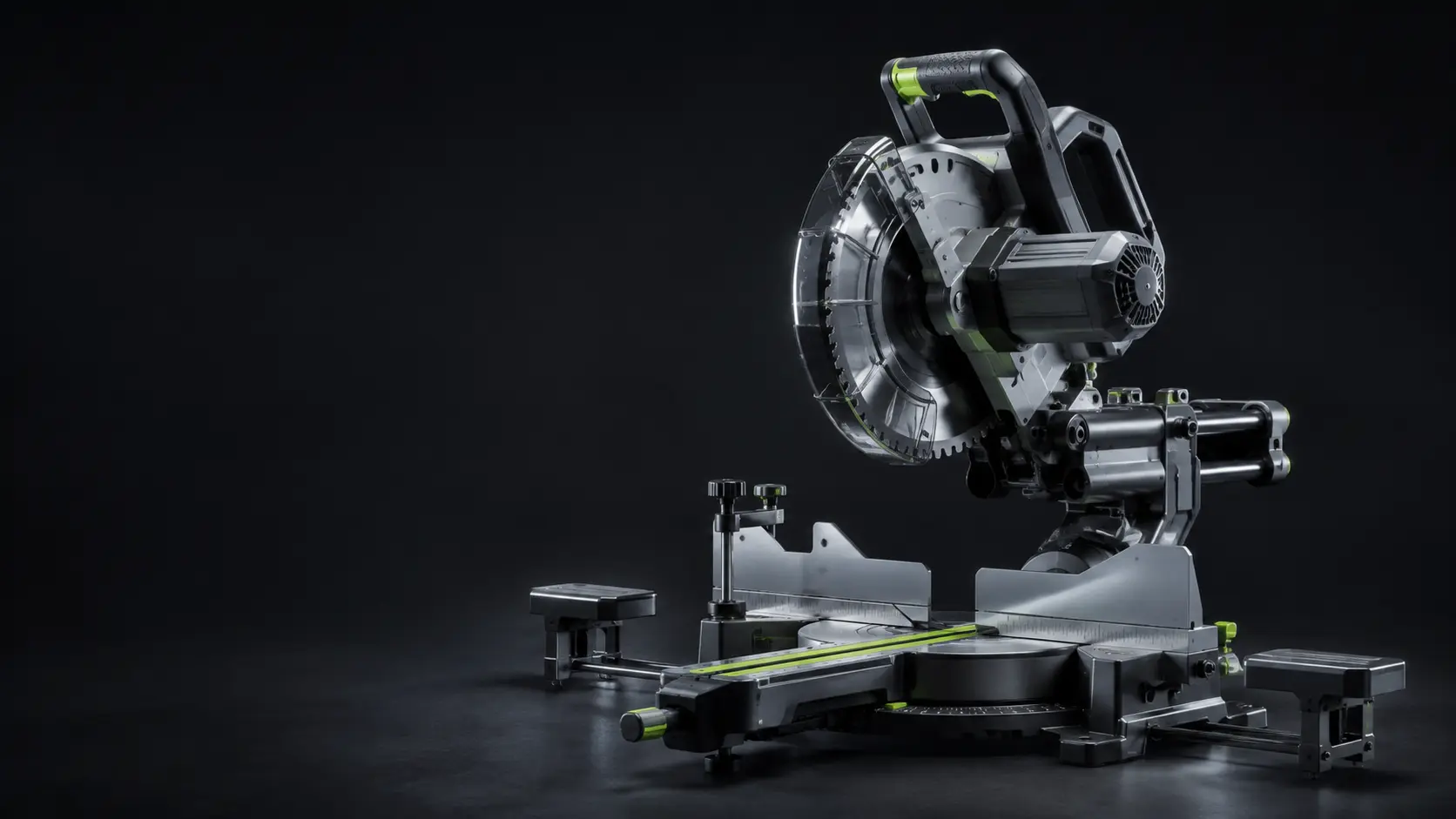
Generic unbranded sliding compound miter saw with guarded blade, fence, rails, and extension supports
CONCEPTUAL PRODUCT IMAGEBuilt to explain the saw class—not represent a specific model.
VISIBLE SYSTEMBlade · guard · fence · rails · base

Every part is recognizable. No mystery silhouette.

THE SETUP FINDER

Start with the job. End with the right setup.

A governed recommendation—not a popularity contest.

MAKE THE RIGHT CALL

Decisions that cost money
deserve a straight answer.

0110-INCH vs 12-INCH

Which miter saw size do you actually need?

Capacity, blade cost, portability, and the jobs each size handles best.

Get the verdict →
02SLIDING vs NON-SLIDING

Is the extra crosscut capacity worth it?

Choose from the stock you cut—not a feature list.

Get the verdict →
03BLADE GUIDE

The right tooth count for a cleaner cut

Match blade diameter, tooth count, kerf, and material.

Get the verdict →

THE WORKING TOOL LAB

Measure twice. Calculate once.

Choose a tool. Change the inputs. Get an immediate, explainable result.

COMPOUND CROWN VERDICT

Calculate flat-cut crown settings

Enter the measured corner and the molding spring angle.
SET MITER TO31.6°
SET BEVEL TO33.9°

Before cutting: Make a test cut from scrap. Inside/outside corners and face orientation determine left/right direction; these values calculate the setting magnitude.

HOW THE VERDICT IS BUILT

Project → constraint → capacity → finish → exclusion.

We recommend the smallest capable setup that clears the work. More blade, more rails, and more features are not automatically better.